
What Is Tempranillo? Spain’s Signature Red Grape
What Is Tempranillo? Spain’s Signature Red Grape
Tempranillo is the red grape that defines Spanish wine. It is the backbone of Spain’s most celebrated regions — Rioja, Ribera del Duero, and Toro — and it produces wines that range from fresh and approachable to deep and age-worthy. This guide explains where Tempranillo comes from, what it tastes like, the names it goes by in different regions, and how to pair it with food, with recommended bottles from the Casavinoteca catalog.
What Is Tempranillo
Tempranillo is Spain’s most planted red grape and the country’s signature variety. The name comes from “temprano,” the Spanish word for “early,” because the grape ripens roughly two weeks earlier than other Spanish reds. This early ripening suits Spain’s short, dry growing seasons.
The grape has thick skins, which give deep color and good concentration. Tempranillo wines have solid structure, fruit intensity, and the potential to age gracefully — especially after time in oak, which adds layers of complexity and aromatic depth.
The Character of Tempranillo (Style and Flavor)
Tempranillo wines share a recognizable profile that is easy to learn:
- Color: Deep ruby to garnet, reflecting the thick skins
- On the nose: Dark berry fruit — black plum, black cherry, blackberry — layered with spice, minerality, and, after oak aging, toasted oak, coffee, and cocoa
- On the palate: Medium to full-bodied, with tannins that are firm but can be polished to a silky texture with age. Acidity is moderate, giving balance
- Finish: Long and persistent, especially in oak-aged expressions
This combination makes Tempranillo versatile: enjoyable young, but also capable of developing over years in the cellar.
Key Regions for Tempranillo in Spain
Tempranillo is planted across Spain, but each region gives it a distinct identity shaped by climate, soil, and elevation.
Rioja
Rioja is Spain’s most famous wine region, in the north. It is divided into Rioja Alta, Rioja Alavesa, and Rioja Baja. Tempranillo here tends toward freshness and finesse. Rioja wines are often aged in oak following the Crianza, Reserva, and Gran Reserva system, which builds aromatic complexity over time.
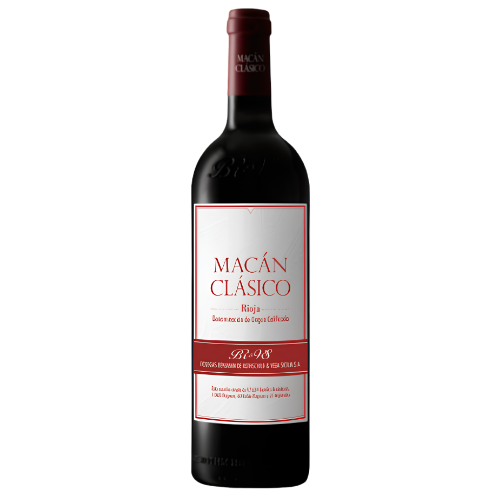
A Rioja Tempranillo curated by Casavinoteca is Vega Sicilia Macan Classico 2019, made from 100% Tempranillo in Rioja Alavesa. It shows fresh red fruit, floral notes, and soft, polished tannins.
Ribera del Duero
Ribera del Duero runs along the Duero river on the high plateau of Castilla y León. Its hallmark is a dramatic day-to-night temperature swing that lets grapes ripen slowly while holding onto freshness. Here, Tempranillo is called Tinto Fino. Wines from Ribera del Duero tend to be more concentrated than Rioja but still balanced.
A Ribera del Duero Tempranillo curated by Casavinoteca is Vega Sicilia Alion 2019, made from 100% Tinto Fino. It balances red fruit, oak notes, and refined tannins.
Toro — Tinta de Toro
Toro is a region in Castilla y León, in northwestern Spain. The climate is harsh, dry, and hot. Here, Tempranillo has adapted into a sub-variety called Tinta de Toro, with thicker skins that yield deeply concentrated wines with firm tannins and relatively high alcohol.
A Toro Tempranillo curated by Casavinoteca is Vega Sicilia Pintia 2020, made from 100% Tinta de Toro. It shows ripe red fruit, spice, and tannins that soften with age.
Synonyms of Tempranillo (Tinto Fino, Tinta de Toro, Cencibel)
Tempranillo goes by different names depending on the region, which can confuse newcomers. These names reflect how the grape adapts to local conditions:
- Tinto Fino — the name used in Ribera del Duero
- Tinta de Toro — the name used in Toro, considered an adapted sub-variety
- Cencibel — the name used in La Mancha and Valdepeñas in central Spain
- Ull de Llebre — the name used in Catalonia
Despite the different names, these are all Tempranillo expressing itself differently across Spain’s diverse terroirs.
Pairing Food with Tempranillo Wine
Tempranillo is a food-friendly red because it has solid structure and concentrated but balanced flavor.
- Grilled and roasted meats: The tannins interact with protein and fat, making both the wine and the dish taste rounder
- Aged cheeses: Manchego is the classic Spanish pairing — Spanish grape meets Spanish cheese
- Rich, spiced dishes: Stews, braised meats, and dishes with warm spices echo the spice notes in the wine
- Thai dishes with bold flavors: Pepper steak, massaman curry, or stir-fried beef with black pepper all work well with Tempranillo’s structure
To browse all of our Tempranillo reds, see our Tempranillo red wine category.
Frequently Asked Questions
What food goes well with Tempranillo?
Tempranillo pairs well with grilled meats, roasts, aged cheeses like Manchego, spiced stews, and braised dishes. Its tannin structure and fruit concentration make it a strong match for bold, savory food.
Is Tinta de Toro the same as Tempranillo?
Yes. Tinta de Toro is a Tempranillo adaptation suited to Toro’s extreme climate. It has thicker skins and produces wines that are more concentrated and higher in alcohol than Tempranillo grown elsewhere.
Are Tempranillo tannins strong?
Tempranillo has moderate to firm tannins, depending on the region and winemaking. Toro has the firmest tannins, while Rioja often shows softer tannins from oak aging.
Should I drink Tempranillo young or age it?
It depends on the style. Rioja Joven is meant to be enjoyed young. Reserva and Gran Reserva, along with wines from Ribera del Duero and Toro, can age 10–20 years or more.
Casavinoteca curates Tempranillo wines from Spain’s leading estates, including Vega Sicilia, with delivery across Thailand. Members can view pricing and place orders after KYC verification.
