
Spanish Wine Guide: Toro, Ribera del Duero, Rioja
Spanish Wine Guide: Toro, Ribera del Duero, Rioja
Spanish wine is one of the most rewarding categories for anyone who appreciates quality red wine. With its diverse geography and climate, Spain produces wines of striking character that vary sharply from region to region. This guide walks through three Spanish wine regions curated by Casavinoteca — Toro, Ribera del Duero, and Rioja — with recommended bottles from our catalog.
Why Spanish Wine Deserves Attention
Spain has more land under vine than any other country. Much of that land is arid, which concentrates the fruit and produces wines with depth, structure, and the potential to age gracefully. Spain also has a deep bench of indigenous grapes, chief among them Tempranillo, which takes on different names depending on where it is planted — Tinta de Toro in Toro, Tinto Fino in Ribera del Duero.
For drinkers who want reds with concentration, complexity, and international-class quality, Spain is a serious option — especially wines from Vega Sicilia, one of the most respected estates in the world.
Toro — Power from Tinta de Toro
Toro is a wine region in Castilla y León, in northwestern Spain. It is defined by a harsh, dry climate, hot summers, and sandy, gravelly soils. The flagship grape is Tinta de Toro, a Tempranillo adaptation that thrives in Toro’s extreme conditions. The resulting wines tend to be deeply concentrated, with firm tannins and relatively high alcohol.
Toro wines are built to age and pair naturally with bold food — grilled meats, game, and aged cheeses.
Toro Wines Curated by Casavinoteca
Vega Sicilia Pintia 2020 is one of the Toro wines we carry. Made from 100% Tinta de Toro at Vega Sicilia’s Toro estate, it shows ripe red fruit, spice, and tannins that soften with age. We also carry Vega Sicilia Pintia 2018, an older vintage with added depth and complexity.
To browse all of our Toro reds, see our Toro red wine category.
Ribera del Duero — Balance from Tempranillo
Ribera del Duero runs along the Duero river on the high plateau of Castilla y León. Its signature is a dramatic day-to-night temperature swing, which lets the grapes ripen slowly while retaining freshness. The main grape is Tinto Fino, the local form of Tempranillo.
Ribera del Duero wines balance fruit concentration with freshness. Tannins are softer than in Toro, but the wines still have the structure of serious reds. They reward both early drinking and extended cellaring.
Ribera del Duero Wines Curated by Casavinoteca
Vega Sicilia Alion 2019 is made from 100% Tinto Fino. It balances red fruit, oak notes, and supple tannins. We also carry Vega Sicilia Valbuena 5 2019, a more refined and complex expression.
To browse all of our Ribera del Duero reds, see our Ribera del Duero category.
Rioja — Spain’s Wine Heritage
Rioja is Spain’s most famous wine region, in the north of the country. It is divided into three sub-regions: Rioja Alta, Rioja Alavesa, and Rioja Baja. The main grape is Tempranillo, supported by Garnacha, Mazuelo, and Graciano.
Rioja wines are classified by aging: Joven (no oak), Crianza (1 year oak + 1 year bottle), Reserva (1 year oak + 2 years bottle), and Gran Reserva (2 years oak + 3 years bottle). Longer aging brings more complexity and depth.
Rioja Wines Curated by Casavinoteca
Vega Sicilia Macan Classico 2019 is made from 100% Tempranillo in Rioja Alavesa. It shows fresh red fruit, floral notes, and soft tannins. We also carry Vega Sicilia Macan 2019, a deeper wine with longer aging potential.
How to Choose a Spanish Wine for You
Choosing a Spanish wine depends on what you want from the glass. If you want power and concentration, Toro is the answer. If you want balance and freshness, Ribera del Duero is a strong pick. If you want heritage and the complexity that comes from oak aging, Rioja is the classic choice.
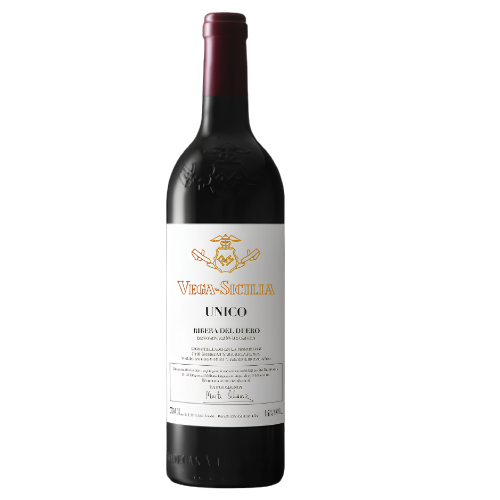
Also consider aging potential. Vega Sicilia’s wines — especially Unico — can age for decades, while Macan Classico is enjoyable both young and after some years in the cellar.
Frequently Asked Questions
How does Spanish wine differ from French wine?
Spanish wines tend to be more concentrated due to the arid climate, and they lean on indigenous grapes like Tempranillo. French wines, especially from Bordeaux and Burgundy, often emphasize balance and finesse.
Is Tinta de Toro the same as Tempranillo?
Yes. Tinta de Toro is a Tempranillo adaptation suited to Toro’s conditions. It has thicker skins and produces wines that are more concentrated and higher in alcohol than Tempranillo grown elsewhere.
What is the difference between Crianza, Reserva, and Gran Reserva in Rioja?
Crianza spends 1 year in oak plus 1 year in bottle. Reserva spends 1 year in oak plus 2 years in bottle. Gran Reserva spends 2 years in oak plus 3 years in bottle. Longer aging brings more complexity and depth.
How long should I age Spanish wine?
It depends on the region and wine. Toro wines like Pintia can age 10–20 years. Ribera del Duero wines like Alion can age 10–15 years. Vega Sicilia Unico can age for decades.
Casavinoteca curates Spanish wines from leading estates, including Vega Sicilia, with delivery across Thailand. Members can view pricing and place orders after KYC verification.
