What Is Conservas? The Art of Preserving Galician Seafood
What Is Conservas? The Art of Preserving Galician Seafood
Conservas is premium preserved seafood from Spain, specifically from the region of Galicia in the northwest. It is not the ordinary canned fish you find on supermarket shelves. It is a centuries-old craft of preserving seafood using high-quality ingredients and a meticulous, hands-on production process. This guide explains what conservas is, how it differs from ordinary canned fish, its history in Galicia, how it is made, and how to serve it.
What Is Conservas
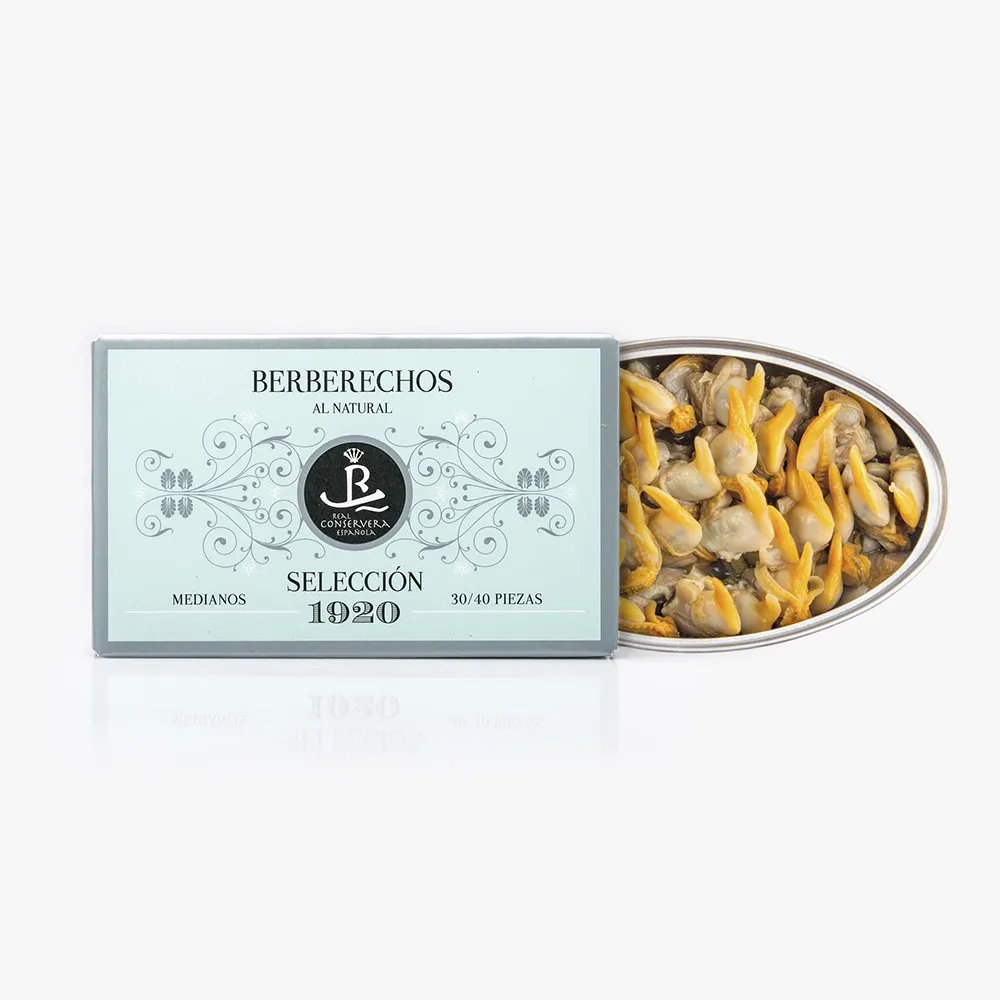
Conservas (pronounced con-SER-vas) is the Spanish word for “preserved foods.” In the context of Spain and Portugal, it refers to seafood that has been preserved using traditional methods — fish, shellfish, and other seafood that is cooked and packed in tins with olive oil, sauces, or vegetable oils.
What sets conservas apart from ordinary canned fish is the quality of the ingredients and the production process. Conservas uses fish and shellfish from select sources, caught during the season when the seafood is at its peak, and produced by hand in limited quantities — not mass-produced on an industrial assembly line.
In Spain, conservas is not convenience food. It is a respected food category, served at dinner parties, tapas bars, and enjoyed at home as a special dish. Premium conservas costs several times more than ordinary canned fish, because the quality and the process are fundamentally different.
How Conservas Differs from Ordinary Canned Fish
The difference between conservas and ordinary canned fish comes down to several factors.
Ingredients: Conservas uses fish and shellfish from select sources, caught at the right season. Ordinary canned fish uses mass-market ingredients without seasonal selection.
Production process: Conservas is made by hand in limited batches, with each step controlled by skilled artisans. Ordinary canned fish is produced by machines on automated lines.
Oil and sauces: Conservas uses high-quality extra virgin olive oil. Ordinary canned fish typically uses plain vegetable oil or soybean oil.
Packaging: Conservas is packed in tins designed specifically for the product, often with elegant presentation suited for gifting and collecting. Ordinary canned fish uses standard mass-market tins.
Flavor: Conservas has a clear, distinct flavor of the fish or shellfish, retaining freshness and good texture. Ordinary canned fish tends to have a softer texture and a more uniform flavor that blends with the oil.
The History of Conservas in Galicia
Galicia is a region in northwestern Spain with a long, rich coastline. The history of conservas in Galicia dates back to the late 19th century, when canning preservation technology arrived in Europe.
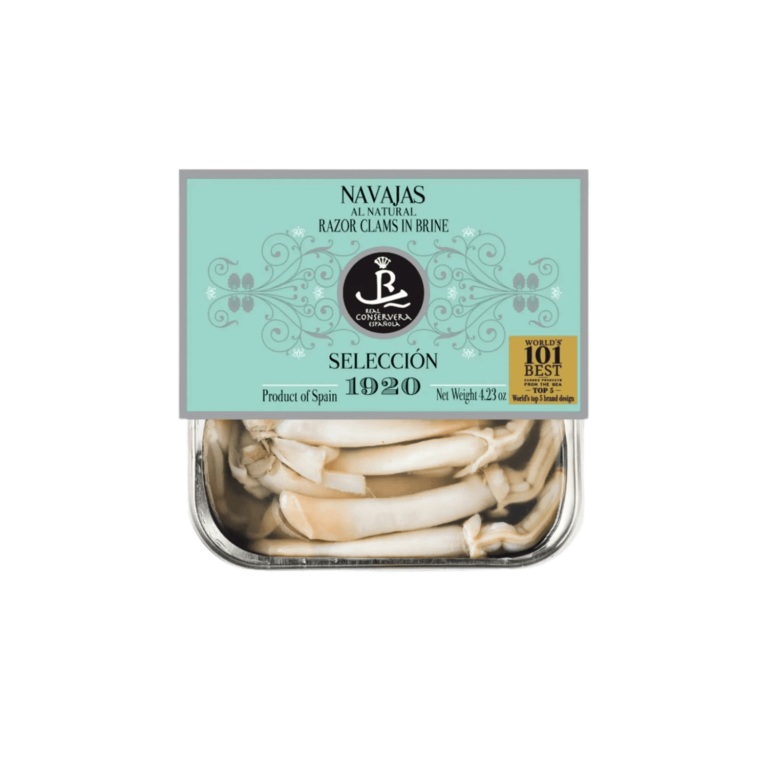
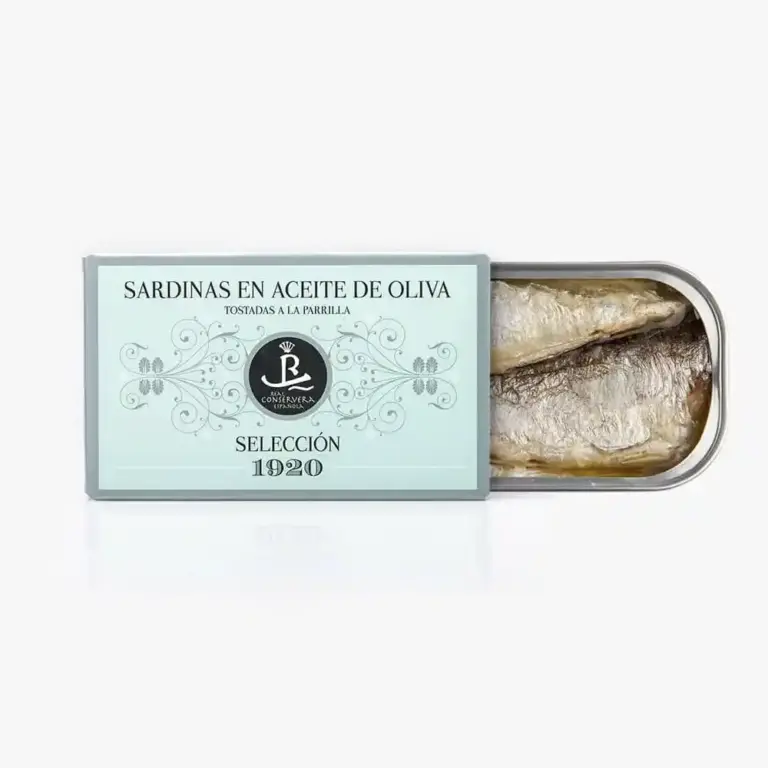
Galician fishermen began applying the canning process to the fish and shellfish caught in their own waters — especially sardines, mussels, and razor clams, for which Galicia is renowned. Small conservas factories sprang up along the coast, each with its own recipes and methods.
In the mid-20th century, the Galician conservas industry reached its peak, with hundreds of factories along the coast. Although consolidation reduced the number over time, many artisanal factories continued producing high-quality conservas. Today, Galicia remains the center of premium conservas in Spain.
For more about Galicia and the sourcing story, see the Casavinoteca story.
How Artisanal Conservas Is Made
Artisanal conservas production involves careful attention at every stage, in stark contrast to industrial production.
1. Selecting ingredients: Fish and shellfish are selected from catches during the optimal season. Sardines are caught when their fat content is highest. Shellfish is harvested when the meat is firmest. Selection is done by hand to ensure only the best quality.
2. Cleaning and preparation: Fish and shellfish are cleaned, trimmed, and prepared according to each factory’s recipe. This step is done by hand to preserve the quality of the meat.
3. Cooking: Fish and shellfish are cooked using the method best suited to each type — steaming, boiling, or grilling. Cooking time and temperature are precisely controlled to preserve texture.
4. Packing into tins: The cooked fish and shellfish are placed into tins by hand, carefully arranged to avoid damaging the meat.
5. Adding oil or sauce: Extra virgin olive oil, sauces, or other ingredients are added according to the recipe. Olive oil helps preserve flavor and texture.
6. Sealing and sterilizing: Tins are sealed and undergo a heat sterilization process so the conservas can be stored for years without spoiling. This process allows conservas to be kept at room temperature for several years.
How to Serve Conservas
Conservas can be served in many ways, from eating it on its own to incorporating it into dishes.
On its own: Open the tin and eat it directly. Place it on a small plate with crusty bread, olives, or a drink. This method lets you experience the full flavor of the conservas.
As tapas: Place conservas on crostini, top with sliced onion, peppers, or fresh herbs, and serve as tapas.
In salads: Sardines or shellfish conservas can be added to fresh green salads for protein and seafood flavor.
Paired with wine: Conservas pairs well with high-acid white wines or light reds. See our guides on DO labels in conservas and Galician sardines for pairing ideas.
To browse conservas curated by Casavinoteca, see our conservas category.
Frequently Asked Questions
How is conservas different from ordinary canned fish?
Conservas uses high-quality ingredients caught at the right season, is produced by hand in limited batches, uses extra virgin olive oil, and involves a meticulous production process. Ordinary canned fish is produced on automated lines using mass-market ingredients.
How long can conservas be stored?
Conservas that has been properly sterilized can be stored at room temperature for several years. Some types can be stored 3–5 years, depending on the type and production method. Store in a cool, dry place away from direct sunlight.
Does it need refrigeration after opening?
After opening, transfer the conservas to a plate and consume it the same day. If storing, refrigerate and eat within 1–2 days. Do not store in the original tin after opening, as the seafood may absorb metallic flavors.
Can conservas be eaten on its own?
Yes. Conservas is fully cooked during the production process and can be eaten straight from the tin. Eating it on its own lets you experience the full flavor of the conservas.
Casavinoteca curates conservas from artisanal factories in Galicia, with delivery across Thailand. Members can view pricing and place orders after KYC verification.