Galician Sardines: Why They Are Special and How to Serve Them
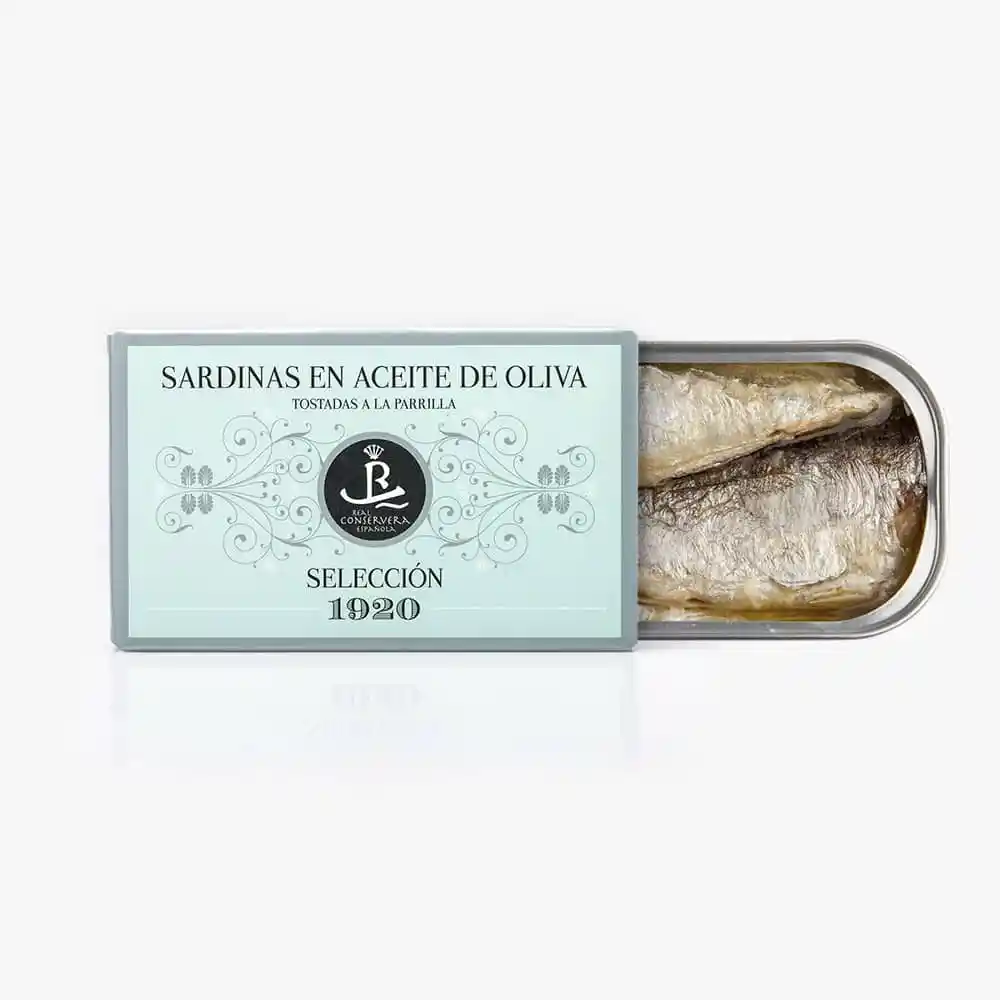
Galician Sardines: Why They Are Special and How to Serve Them
Galician sardines are one of the most classic and celebrated conservas in Spain. Canned sardines from Galicia are not ordinary canned fish — they are premium conservas produced using traditional methods. This guide explains their origin, season, production process, and how to serve them, with information from the Casavinoteca catalog.
What Are Galician Sardines
Galician sardines are conservas made from sardines caught in the waters of Galicia, a region in northwestern Spain. The sardines used are the species Sardina pilchardus, a saltwater fish found in the Atlantic, particularly along the coast of Galicia.
What makes Galician sardines special is the quality of the fish and the production process. Sardines in Galicia are caught during the season when their fat content is highest, which gives them plump meat and a distinctive flavor. The production of sardine conservas in Galicia follows traditional methods passed down through generations, especially the cooking and packing in extra virgin olive oil.
Canned sardines from Galicia therefore differ from ordinary canned sardines produced industrially — in texture, flavor, and the quality of the oil used.
Sardine Season (Seasonality)
The sardine season is a critical factor that defines the quality of conservas. In Galicia, the sardine season runs from late spring through late summer, particularly May through September.
During this period, sardines accumulate fat in preparation for winter, making the meat plump and the flavor rich. Sardines caught outside the season have less fat, drier meat, and less pronounced flavor.
Galician conservas factories select sardines caught during the peak fat period, which is typically mid-season. This seasonal selection is the heart of premium conservas, capturing the best flavor the sardine has to offer.
Traditional Production of Sardine Conservas
Traditional sardine conservas production in Galicia involves careful attention at every stage.
1. Selecting the fish: Sardines are selected from catches during the high-fat season, choosing only fish of the right size and quality.
2. Cleaning: Sardines are cleaned, heads and innards removed, and only the intact fillets are selected.
3. Steaming or boiling: Sardines are steamed or boiled in brine to cook them. Cooking time and temperature are precisely controlled to preserve texture.
4. Packing into tins: The cooked sardines are placed into tins by hand, carefully arranged to keep the fish intact.
5. Adding olive oil: High-quality extra virgin olive oil is added. The olive oil preserves the flavor and develops the aroma of the sardines as they age.
6. Sealing and sterilizing: Tins are sealed and undergo heat sterilization, allowing sardine conservas to be stored for years at room temperature.
A key advantage of sardine conservas is that the flavor develops over time. The olive oil gradually penetrates the fish, making the flavor rounder and the texture softer. This is why premium sardine conservas often carry a recommended aging period.
Galician Sardines in the Casavinoteca Catalog
Casavinoteca curates sardine conservas from artisanal factories in Galicia. The sardines we select are caught in the optimal season, produced using traditional methods, and packed in extra virgin olive oil.
For Galician sardines in our catalog, see Galician Sardines, and for all conservas, browse our conservas category.
For background on conservas, see What Is Conservas?, and for DO labels in conservas, see DO Labels in Conservas.
How to Serve Sardine Conservas
Sardine conservas can be served in several ways.
On its own: Open the tin and eat it directly. Place on a small plate with crusty bread. This method lets you experience the full flavor of the sardines and olive oil.
As tapas: Place sardines on crostini, top with sliced onion, peppers, or fresh herbs, and serve as tapas.
In salads: Sardine conservas can be added to fresh green salads for protein and seafood flavor. The olive oil in the tin can even be used as a salad dressing.
Paired with wine: Sardine conservas pairs well with high-acid white wines. The acidity complements the salty, rich flavor of the sardines.
Frequently Asked Questions
How are Galician sardines different from ordinary sardines?
Galician sardines are caught during the high-fat season, produced using traditional methods, and packed in extra virgin olive oil. Ordinary sardines are produced industrially, using fish without seasonal selection, and packed in plain vegetable oil.
What months are sardine season?
The sardine season in Galicia runs from late spring through late summer, particularly May through September, when the fish have the highest fat content and plumpest meat.
How long can sardine conservas be stored?
Properly sterilized sardine conservas can be stored at room temperature for several years. Some types can be stored 3–5 years, and the flavor develops with age as the olive oil penetrates the fish.
What should I eat with sardine conservas?
Sardine conservas can be eaten on its own with crusty bread, served as tapas, added to salads, or paired with high-acid white wine. The olive oil in the tin can also be used as a salad dressing.
Casavinoteca curates sardine conservas from artisanal factories in Galicia, with delivery across Thailand. Members can view pricing and place orders after KYC verification.